
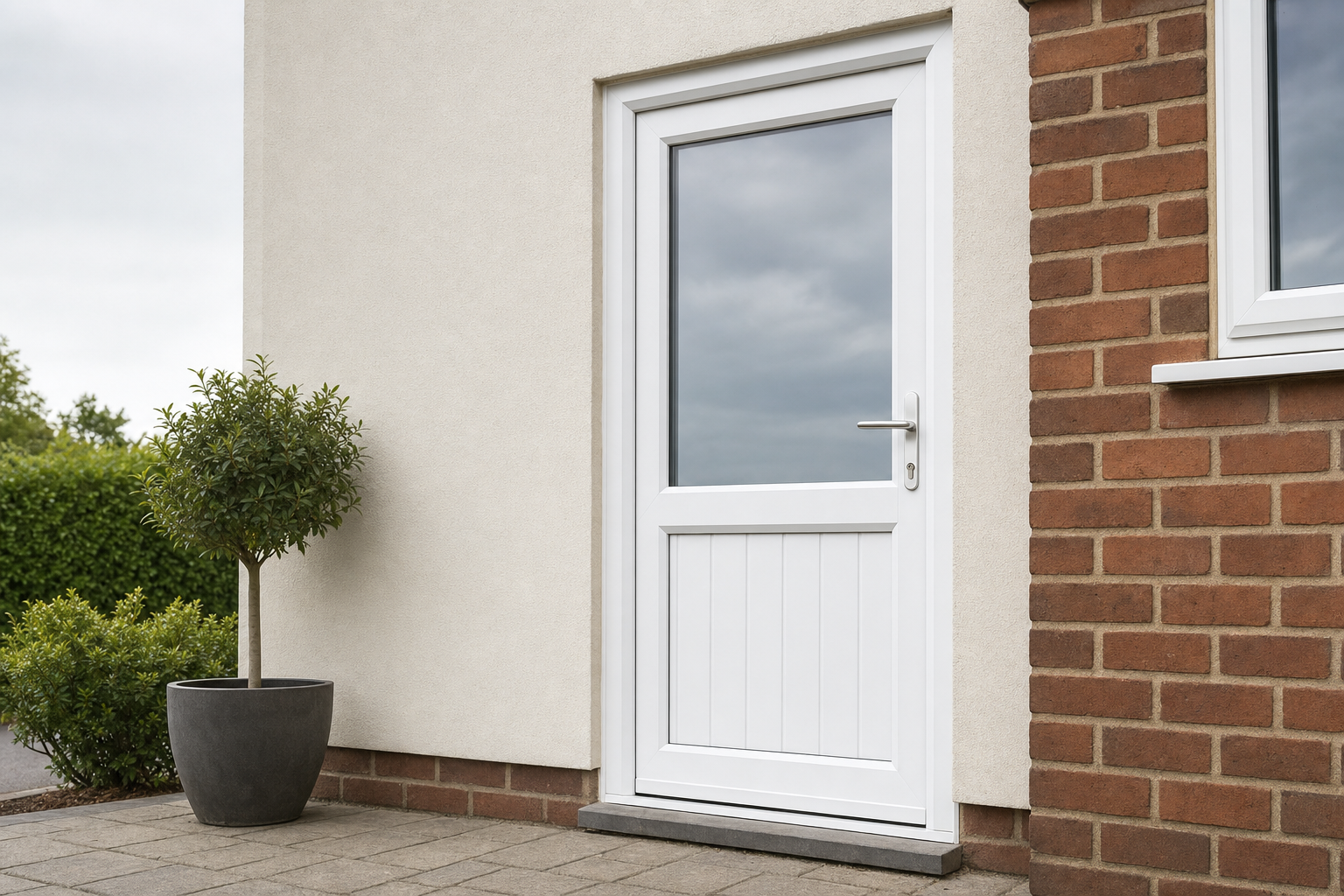
Get a difficult uPVC door working again
Multipoint faults understood
We look at the full locking strip and not just the key cylinder when the door misbehaves.
Alignment checked first
A uPVC door that needs pressure to lock may be pointing to more than one fault at once.
Locking points tested
We finish by checking that the repaired door secures properly across the mechanism.
uPVC door faults need the whole system checked
uPVC door problems often show up as a handle that will not lift, a key that will not turn, a mechanism that will not engage or a door that only locks if you push or pull it just right. When you book The Key Hole Surgery, we look at the relationship between the alignment, the handle, the cylinder and the multipoint mechanism before deciding what needs attention. That helps us distinguish a worn part from a door that is no longer working together as a system.
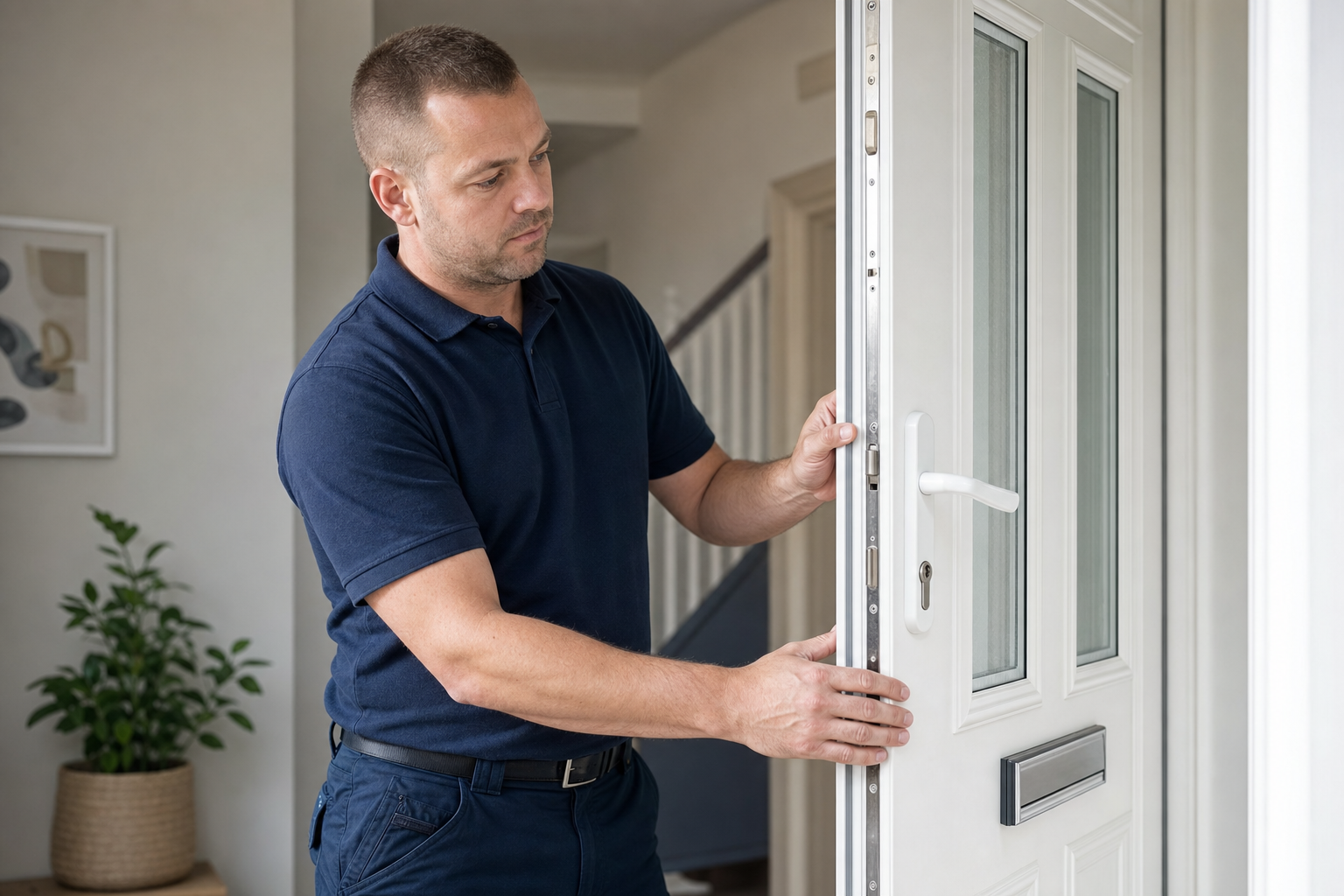
Timely repair can stop a full lock failure
Leaving a uPVC fault too long can mean the mechanism becomes harder to use, or the door ends up unusable when you most need it. With The Key Hole Surgery, we inspect the locking assembly and door position before choosing repair parts or replacement hardware. Once the work is done, we check the door through its locking points so you know the handle, key and mechanism are engaging as they should.
Frequently asked questions
Why will my uPVC door handle not lift?
That symptom can come from wear in the mechanism, poor alignment in the frame or strain between the handle and the locking strip. We inspect how the door is sitting and how the parts are engaging before deciding whether a repair part or a wider lock assembly change is needed.
Can alignment stop the key from turning?
Yes. If the door is out of position, the multipoint system can bind and make the key hard to turn even when the cylinder itself is not the main problem. That is why we check the door and mechanism together rather than treating the keyway in isolation.
Will you test every locking point after the repair?
Yes. A uPVC repair is not complete until the handle action, key movement and locking points are working together properly. We check the door closes, the mechanism engages and the lock operates in a dependable way before we leave.